This post contains affiliate links. If you buy through them, I may earn a small commission at no extra cost to you.
Walk into our treatment room and you'll probably see a child standing on a vibration plate, or a therapist using a small vibrating tool on a child's hands or around their mouth. Parents often ask, "What is that doing?" Here's the answer.
What vibration does
Vibration is a strong, fast form of sensory input. It activates the receptors in the skin, muscles and joints that tell the brain about pressure, stretch and body position, and whole-body vibration adds input to the balance system too.
For many kids, that input is organizing. It can help:
- Wake up the body for a child who feels low-energy or "floppy" before motor work
- Calm and organize a child who seeks lots of input
- Increase body awareness, especially in the hands, feet and mouth
- Prepare the muscles before strengthening, balance or fine motor activities
In the clinic, vibration is usually a warm-up: a few minutes of input that helps a child's body get ready for the harder work that follows.
What the research says
Whole-body vibration has been studied in children, especially children with cerebral palsy and other motor challenges, for things like muscle strength, balance and bone health. Results are promising in some areas and mixed in others. Vibration isn't a stand-alone treatment. It's a tool we use as part of a bigger plan.
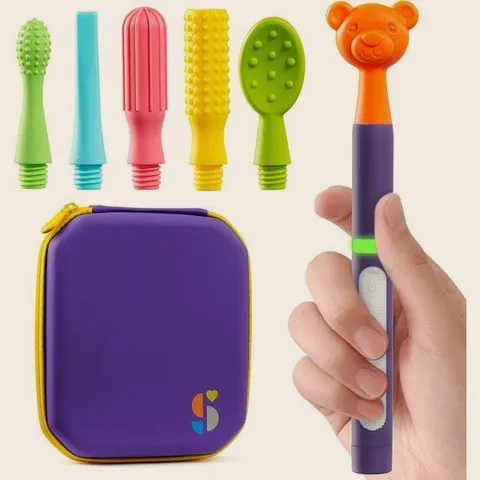
Handheld vibration is widely used in OT and feeding therapy to increase awareness and prepare muscles, guided by the child's therapist.
How we use it
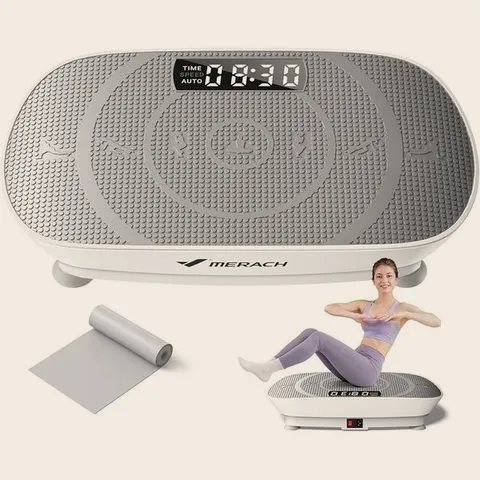
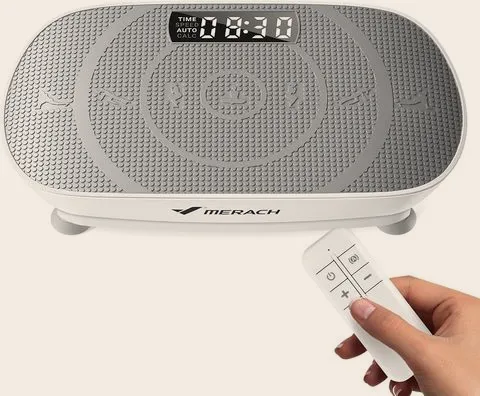
Whole-body vibration plates. A child stands, sits or kneels on the plate for short periods, often while doing something else, like catching a ball or holding a balance position. We keep the intensity low and the sessions short.
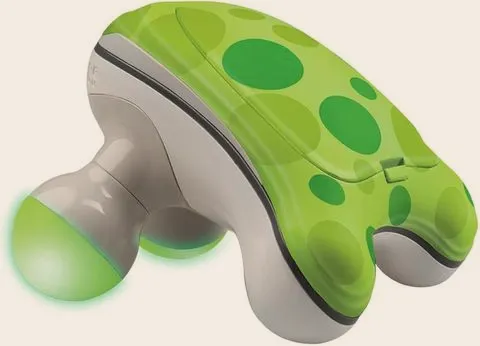
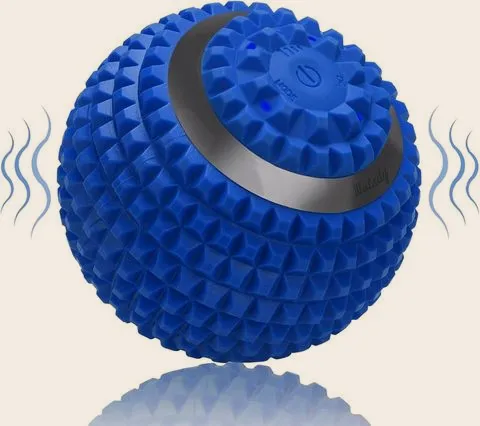
Handheld vibration. Small vibrating tools for the hands before fine motor work, the feet before balance work, or oral-motor tools for kids who crave mouth input or need help with awareness for feeding and speech (always guided by their feeding or speech therapist).
Vibration as a calming tool. Some kids find gentle vibration, like a vibrating cushion or massager held against the back or legs, deeply calming.
Using vibration safely at home
- Talk to your child's therapist and doctor first. This matters especially if your child has a seizure disorder, a heart condition, recent surgery or fractures, implanted devices, or joint or spine conditions. Read the manufacturer's contraindications for any vibration plate.
- Start low and short. One to two minutes at the lowest setting is plenty to begin with.
- Always supervise, and keep your child's knees slightly bent on a plate. Never let them lock their joints.
- Watch how they respond. A calm, organized, "ready" child means it's working. A child who becomes more wound up, dizzy or uncomfortable means stop and try a different tool.
- Pair it with a purpose. Vibration works best right before an activity: homework, a meal for a picky eater, handwriting practice or a balance game.
Is vibration right for your child?
Vibration is a great example of a tool that helps some kids a lot and isn't needed by others. If you're curious, ask your child's OT whether it fits their sensory profile, and how to use it. In the Dallas area, we'd love to help at NeuroNest.
Every child is different. This post is general education, not medical advice. If you have concerns about your child's development, talk with your pediatrician or an occupational therapist. In the Dallas area? Learn about evaluations at NeuroNest.