
This post contains affiliate links. If you buy through them, I may earn a small commission at no extra cost to you.
If there's one thing I've learned doing reflex integration work with kids, it's this: the activity only works if the child is actually engaged. A movement done twenty times, bored and zoned out, does far less than the same movement done with focus, laughter and a little competition.
That's why so much of what we do in the clinic looks like game time. We take the movement patterns and positions a child's program calls for and pair them with games kids already love.
Why fun matters
- Engagement drives change. The brain learns best when a child is interested, paying attention and wants to keep going.
- Variety keeps repetitions coming. Reflex work needs lots of repetition, but not the same boring repetition. Changing the game, the position or the challenge keeps kids happily doing more.
- Games add a thinking layer. Asking the brain to scan, remember or plan while the body holds a position or moves in a pattern is harder than doing either alone. That extra challenge is part of what makes it powerful.
- Kids stay regulated. A child who's having fun is far more likely to stick with a hard position than one who feels like they're doing exercises.
Games we use all the time
Here are some of the games you'll see in our treatment room, and the kinds of positions and movements we pair them with. Your child's OT will choose the specific positions for their program. These are examples of the approach, not a prescription.
Spot It!
Fast visual scanning, and one of my absolute favorites. We play it while a child lies tummy-down over a therapy ball or on the floor propped on their forearms, or while they balance on a wobble cushion. Kids hold a challenging position without even noticing, because they're too busy trying to win.
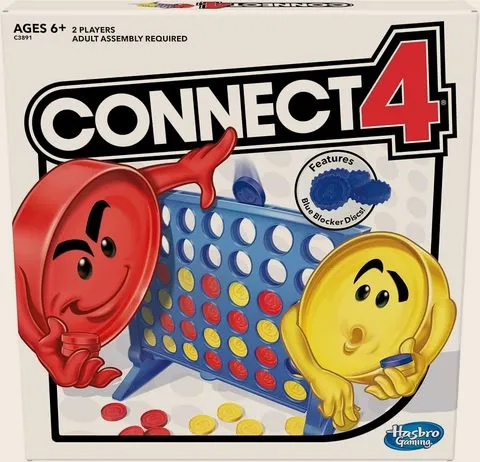
Connect 4
Great for positions on hands and knees. A child can rock forward and back between turns, reach across their body to drop a checker, or play from a tall-kneeling position. Planning four in a row adds real thinking on top of the movement.
UNO and other card games
Simple card games are wonderfully flexible. Place the draw pile or discard pile to one side so a child has to turn their head and reach across the middle of their body. Play on tummies. Or make a rule that every time you play a card, you do a movement.
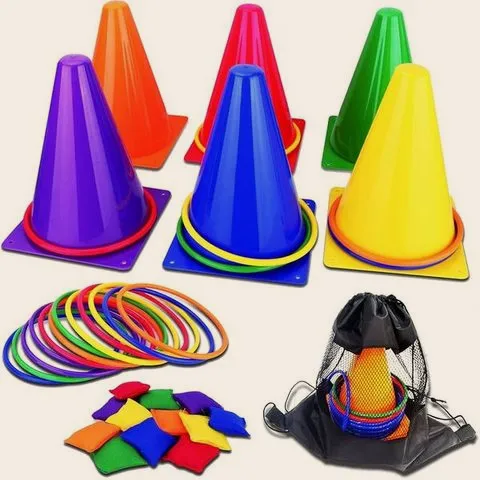
Cones, bean bags and a hallway
A set of cones turns any room into an obstacle course: crawl patterns, stepping paths, tossing a bean bag across the body into a target, balance challenges. Change the course every day and it never gets old.
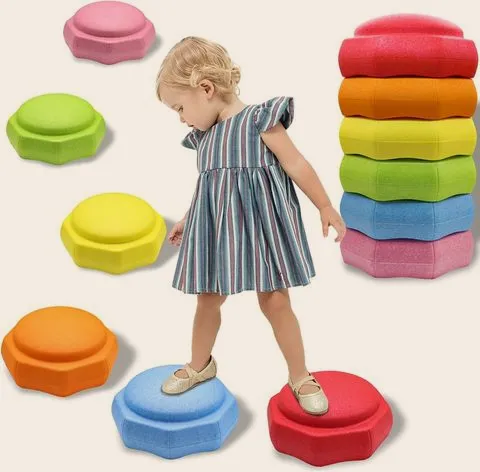
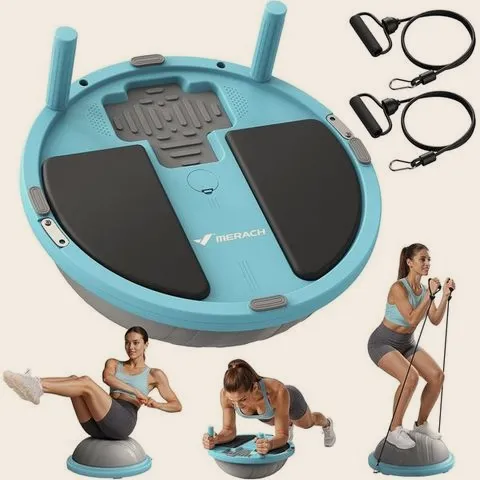
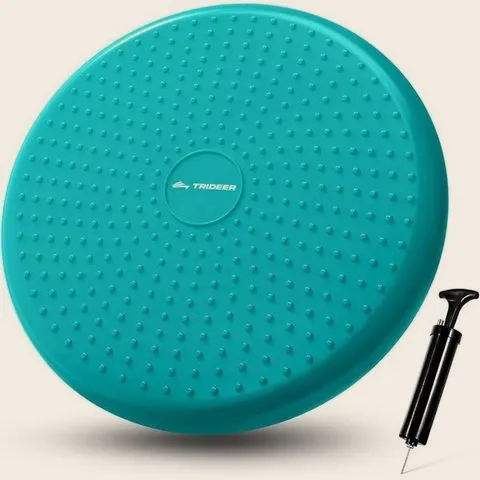
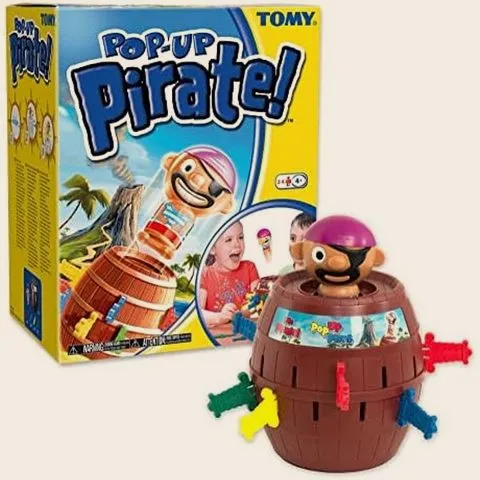
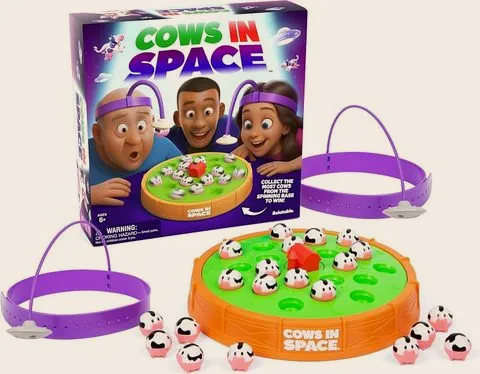
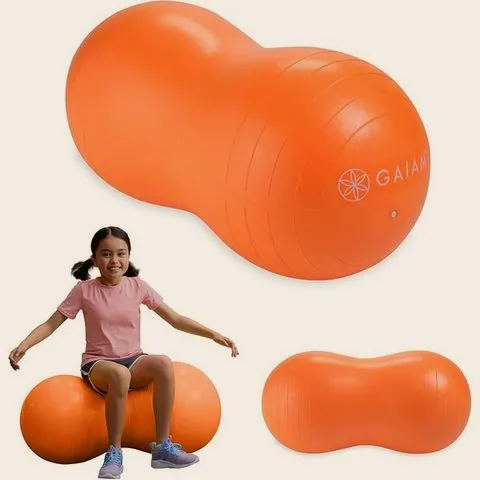
More games that work well
Almost any game with short turns can be paired with movement. A few more we reach for:
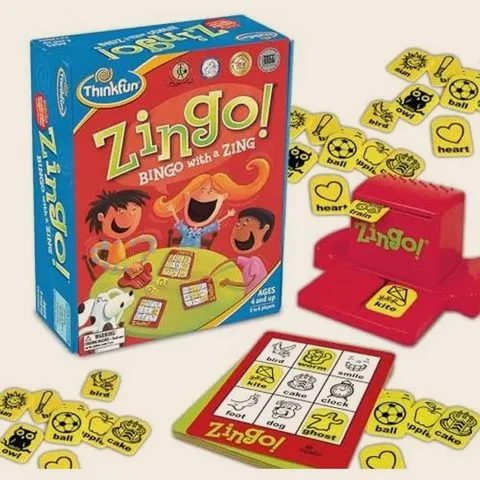
How to make it work at home
- Keep sessions short. Ten to fifteen minutes of focused, happy play beats forty-five minutes of battle.
- Switch it up every few minutes. Change the game, the position or the speed before boredom sets in.
- Let your child win sometimes. Motivation is everything.
- Watch for fatigue. When form falls apart or frustration builds, stop and try again another day.
- Follow your therapist's plan. Reflex programs are individualized. Ask your OT which positions and movements to pair with games at home.
If you're curious whether reflex work could help your child, a comprehensive evaluation looks at reflexes alongside sensory processing and motor skills. Start with what parents should know about reflex integration, or learn about evaluations at NeuroNest.
Every child is different. This post is general education, not medical advice. If you have concerns about your child's development, talk with your pediatrician or an occupational therapist. In the Dallas area? Learn about evaluations at NeuroNest.