
Tracking, eye teaming & visual scanning
Vision & Ocular Motor
Brock strings, mazes, tracking tools and search games. The ocular motor tools we use in the clinic to help the eyes aim, follow and focus.
In the clinic
How we train the eyes
Ocular motor work is a big part of what we do at NeuroNest. These are the building blocks, and the tools we reach for, so you can keep the practice going at home.
-
01
Eye teaming
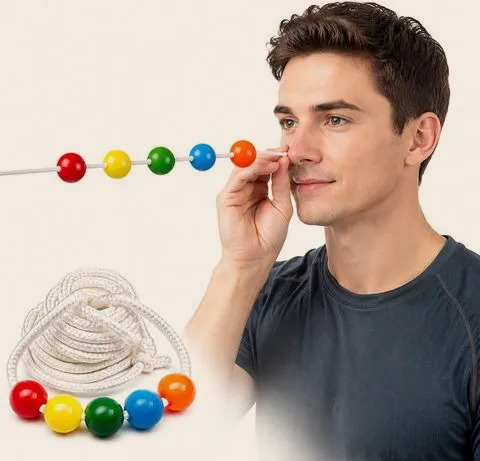
Brock string
Three beads on a string. Your child looks at each bead in turn and notices the two strings crossing in an X, which trains both eyes to aim at the same spot.
See the Brock String -
02
Smooth tracking
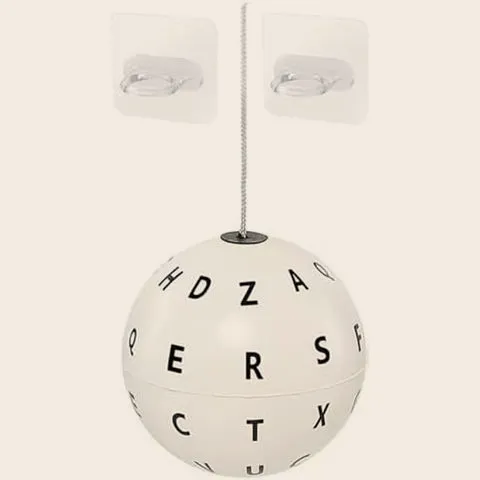
Swinging ball & flashlight
Follow a hanging Marsden ball as it swings, or chase a flashlight beam across a dark wall, moving only the eyes and keeping the head still.
See the Marsden Ball -
03
Quick eye jumps
Letter charts
Tape two letter charts on opposite sides of a wall and read one letter from each, back and forth. It’s a great warm-up before reading.
-
04
Near–far focus
Near & far cards
Read a letter card up close, then one across the room, and switch back and forth. It’s the same shift the eyes make when copying from the board.
-
05
Visual scanning
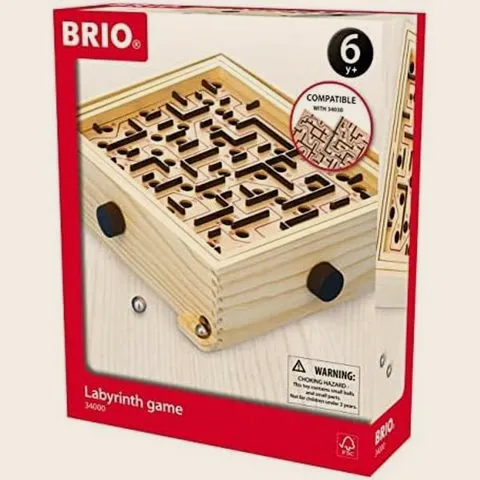
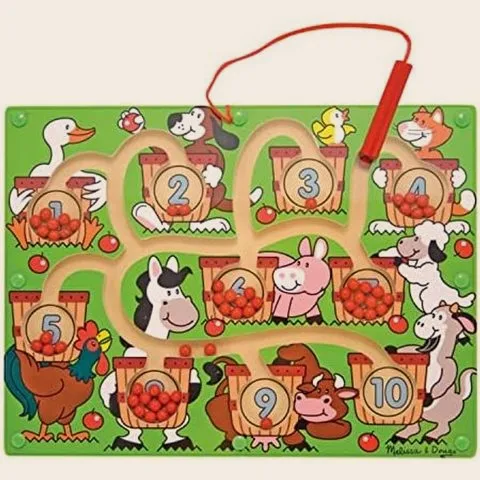
Mazes & search books
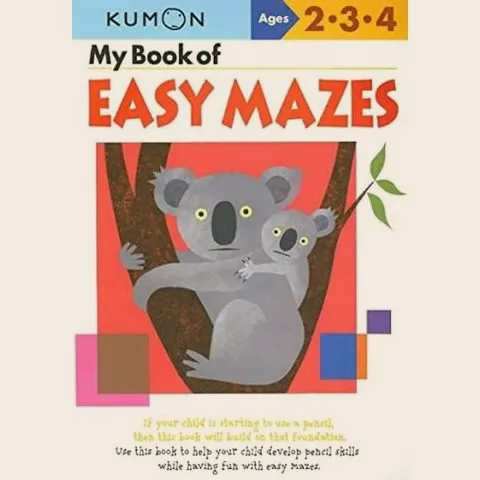
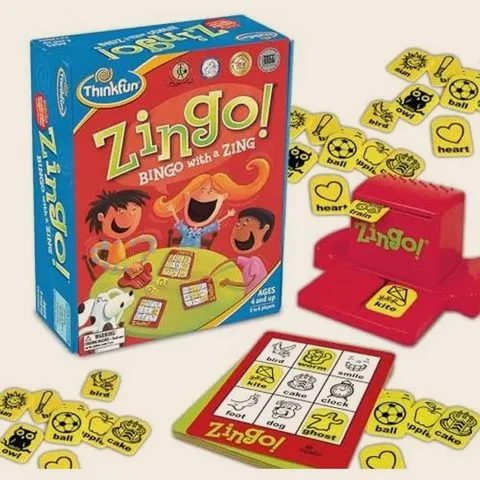
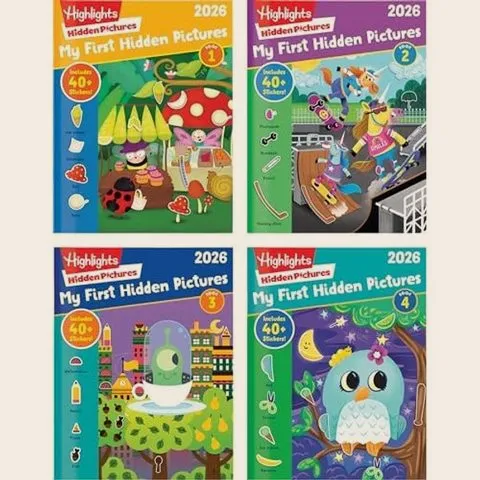
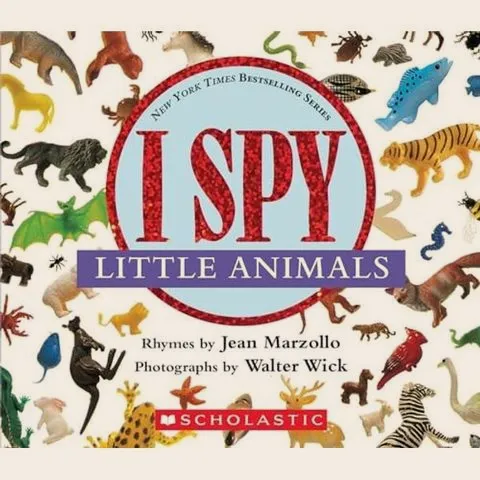
Mazes, hidden pictures and Where’s Waldo teach the eyes to search in an organized way instead of darting around the page.
See the My Book of Easy Mazes -
06
Vision + movement
Balance challenges
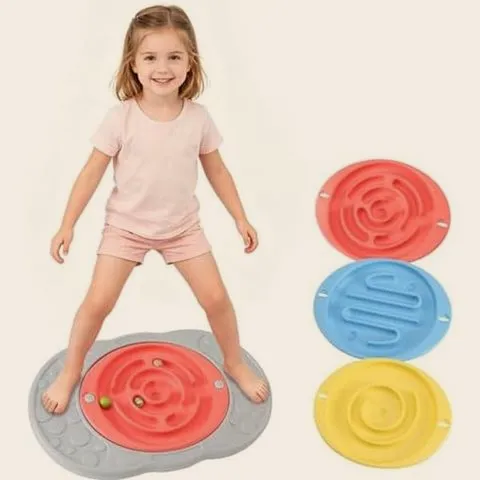
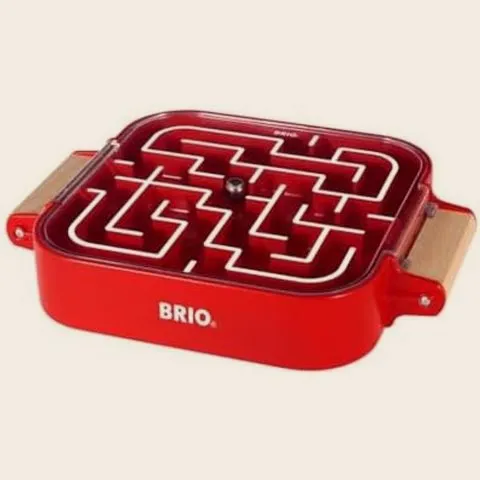
Steer a maze balance board or catch a ball while standing on a wobble cushion. Pairing eye work with balance is how we train it in the clinic.
See the Maze Balance Board
If your child has double vision, headaches, an eye that turns in or out, or loses their place constantly when reading, start with a pediatric optometrist. Specific vision therapy exercises should follow their plan.
17 products


Nothing matches that combination.
An OT's buying guide
Why we train the eyes
Reading a line of text, copying from the board, catching a ball and finding a shoe in a messy room all depend on ocular motor skills: how well the eyes work as a team, follow a moving target smoothly, and jump quickly and accurately from one spot to the next.
When those skills are shaky, kids often lose their place when reading, tire quickly with schoolwork, avoid puzzles, or seem clumsy with balls. The good news is they respond well to practice. In the clinic we use Brock strings, mazes, tracking games and flashlight work, and much of it is easy to keep going at home.
What to look for
- Eye teaming: tools like the Brock string that train both eyes to aim at the same spot
- Tracking: following a moving target smoothly, like a swinging ball, a rolling marble or a flashlight beam
- Scanning: mazes, hidden pictures and search games that train quick, accurate eye jumps
- Short, fun rounds, and pairing with movement when you can
Safety: Frequent eye rubbing, headaches, double vision, skipping lines when reading, or one eye turning in or out are worth a visit to a pediatric optometrist or ophthalmologist before you start any eye exercises.
 Written by Erin Wiggins, OT · How I choose products