
Regulation, breathwork, posture & body awareness
Potty Training
Potty training is a nervous system skill. Breathwork and calming tools, a stable seat, body-signal reminders and a little fun: everything I recommend to families, in one place.
In the clinic
How we approach potty training
We look at the whole body, not just the behavior. These are the pieces we work on, and the tools that support each one at home.
-
01
Nervous system
Calm body first
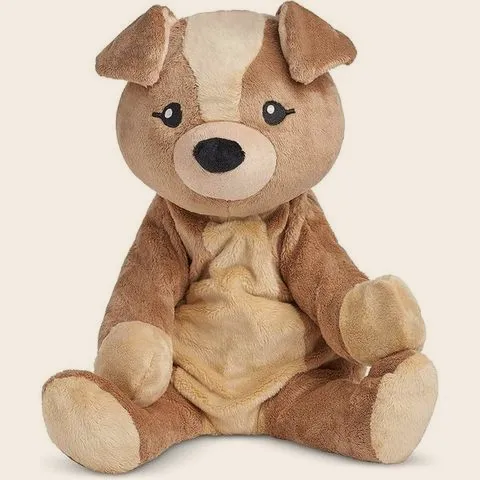
The body can only let go in a calm state. Swinging, heavy work or a weighted plush before sitting helps shift a child out of fight or flight.
See the Charlie the Weighted Puppy (4.5 lb) -
02
Breathwork
Long exhales on the potty
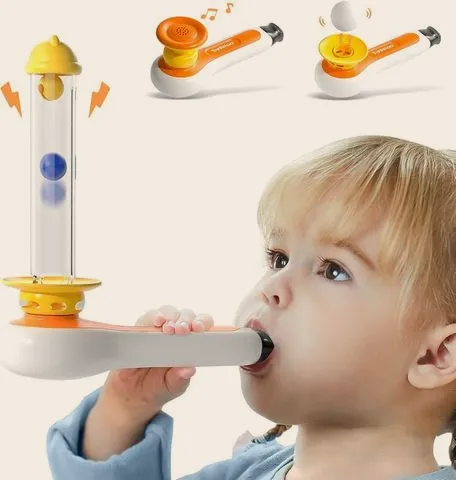
Blowing bubbles, a whistle or a blow toy slows the breath and lengthens the exhale, which helps the pelvic floor relax. It’s one of our favorite tricks.
See the 3-in-1 Whistle & Ball Blow Toys -
03
Vagus nerve
Hum, sing and play
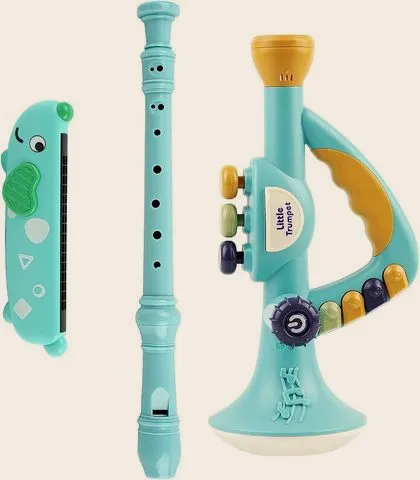
Humming, singing and simple instruments are gentle ways to support that rest-and-digest state, and they make sitting a lot more fun.
See the Toddler Musical Instruments Set -
04
Posture
Feet flat, knees up
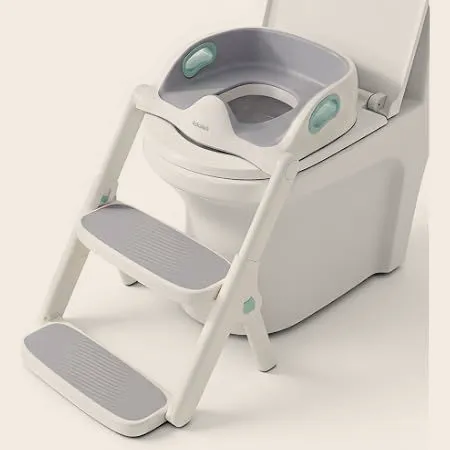
Dangling feet make the body brace. A step stool gives a stable base so the core and pelvic floor can relax.
See the 2-in-1 Potty Seat with Step Stool -
05
Interoception
Noticing body signals
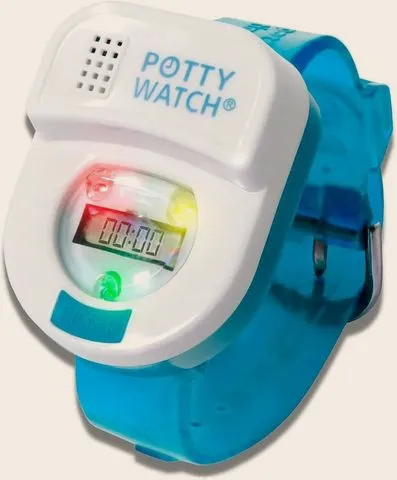
Many kids don’t register a full bladder until it’s too late. A potty watch gives a regular cue while that awareness grows.
See the Potty Time Potty Watch -
06
Motivation
Make it fun
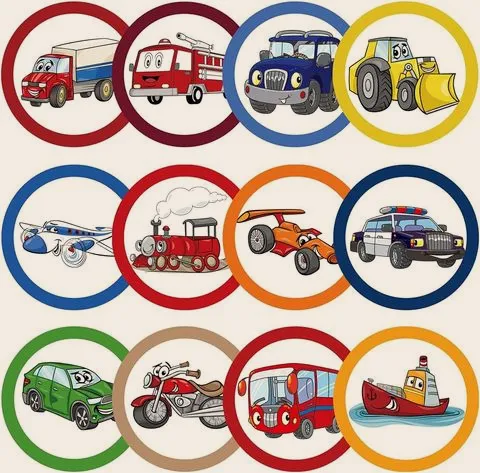
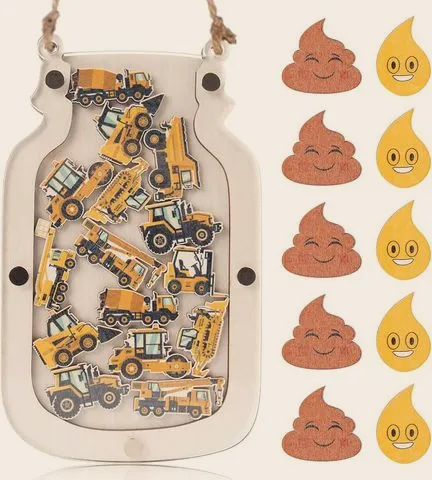
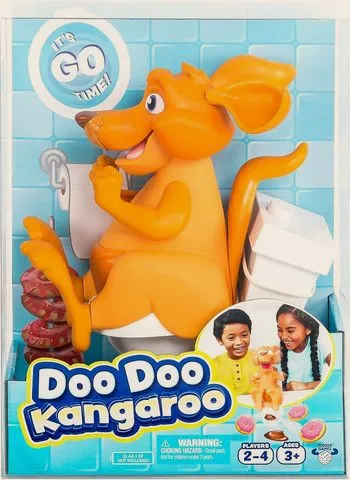
Flushable targets, a reward jar and potty-themed games give kids something to look forward to instead of something to fight.
See the Flushable Potty Targets
If your child withholds, has pain or constipation, or is very distressed by the bathroom, talk to your pediatrician first. Pushing through fear usually makes it harder.
12 products


Nothing matches that combination.
An OT's buying guide
Why potty training starts with the nervous system
To pee or poop, the body has to relax. The pelvic floor muscles need to let go, and that only happens easily when the nervous system is in its calm, "rest and digest" (parasympathetic) state. When a child is anxious, rushed or overwhelmed, the body shifts toward "fight or flight" (sympathetic) activation, the muscles tighten, and going becomes hard or scary. That’s why pressure, bribes and battles so often backfire.
Long, slow exhales are one of the most reliable ways to help the body settle, partly through the vagus nerve, which connects the brain to the organs and helps switch on that calm state. Blowing bubbles, blow toys, humming and singing all lengthen the exhale, which is why you’ll find them here next to the potty seats.
Add a stable position (feet flat, knees up), help noticing body signals (interoception), a calm bathroom and a little motivation, and you’ve covered the pieces that most often get kids stuck.
What to look for
- A calm body first: breathwork, deep pressure and a quieter bathroom
- Feet flat on a step, with knees slightly above the hips
- External reminders, so the cue isn’t always a parent
- Motivation kids can see: targets, rewards and games
Safety: Withholding, pain, constipation, or a child who truly doesn’t seem to feel the urge are worth a conversation with your pediatrician. A pelvic floor therapist or OT can help when the root is sensory or muscular.
 Written by Erin Wiggins, OT · How I choose products