
This post contains affiliate links. If you buy through them, I may earn a small commission at no extra cost to you.
Potty training is usually framed as a behavior problem: timing, rewards, consistency. Those matter. But as an OT, I also look at the sensory and motor pieces, which often explain why one child breezes through and another struggles.
The pieces underneath
Body awareness (interoception). Kids need to notice the feeling of a full bladder before they can act on it. Some children don't register those internal signals until it's too late.
Posture and stability. It's hard for a body to relax enough to go when the feet are dangling and the child is gripping the seat to stay balanced.
Regulation. The bathroom can be loud (that flush!), echoey, bright and cold. For a sensitive child, it's a lot.
Motor skills. Pulling pants up and down, wiping and washing hands all take coordination and planning.
1. Make the reminders external
A potty watch takes the nagging out of it. The watch lights up and plays a tune, which cues the break instead of a parent. That's a big deal for strong-willed kids.
2. Give their feet a floor
Feet flat and knees slightly above hips is the position that helps the body relax. A seat with a built-in step also lets kids climb up on their own.
3. Make it visual and fun
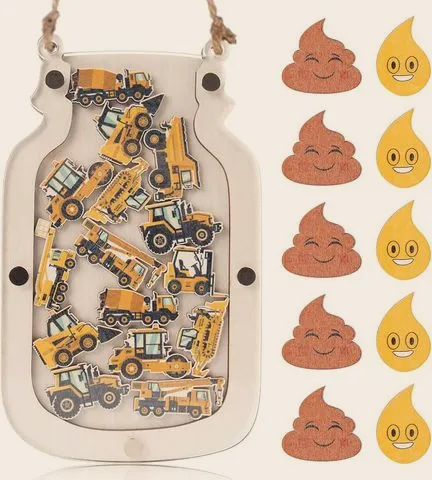
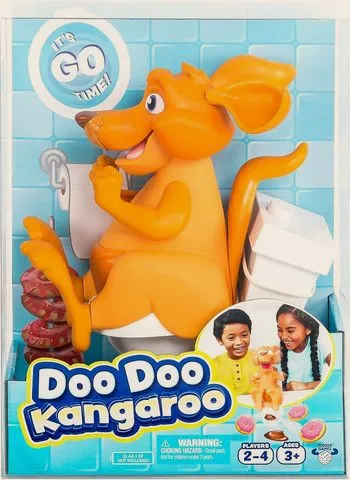
Flushable targets give kids something to focus on, and a reward jar makes progress something they can see.

4. Help them relax while they sit
This is the piece I see missed most often. To go, the pelvic floor muscles have to let go, and that happens most easily when the nervous system is in its calm, "rest and digest" (parasympathetic) state. A child who is anxious, rushed or in a power struggle shifts toward "fight or flight" (sympathetic) activation. Their muscles tighten, and going gets harder, which makes the next try even more stressful.
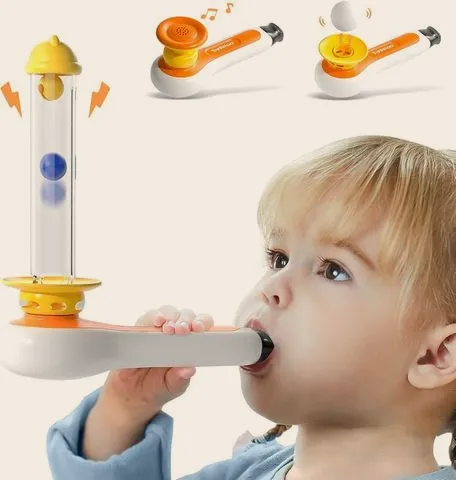
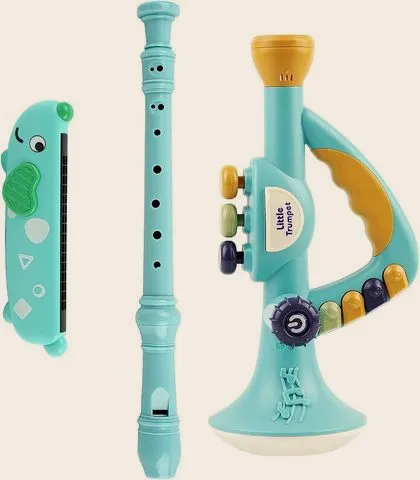
Breathwork is my favorite tool here. Long, slow exhales help the body settle, partly through the vagus nerve, which helps switch on that calm state. Blowing bubbles, a whistle or a blow toy naturally lengthens the exhale while your child sits. An expanding breathing ball gives them something to watch as they breathe in and out. Humming, singing or playing a simple instrument works too, and it makes sitting a lot more fun.
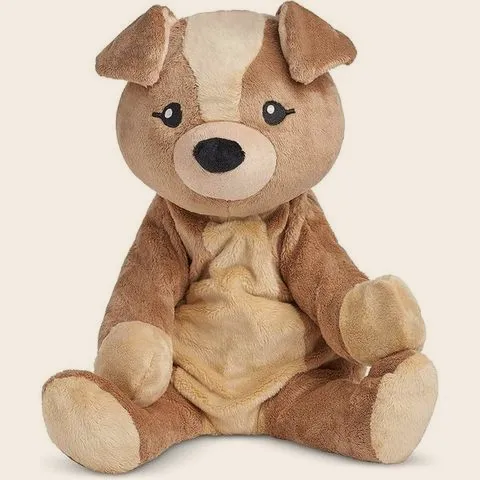
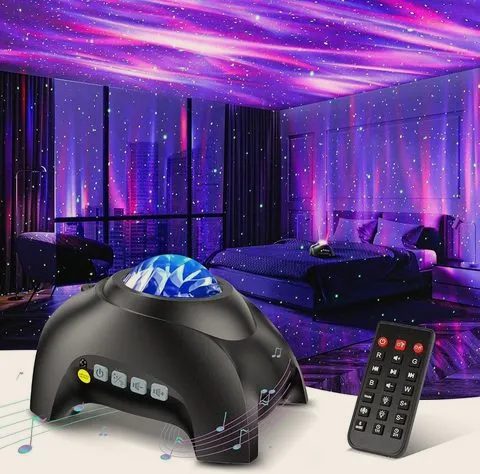
A soft light or a weighted plush can also make the bathroom feel less overwhelming.



When it's more than readiness
If your child is well past the typical age window, seems to truly not feel the urge, or is very distressed by the bathroom, talk to your pediatrician and consider an OT evaluation. Sometimes the root is sensory, and addressing it makes everything else easier.
Shop everything in Potty Training, or take the 60-second quiz for picks matched to your child.
Every child is different. This post is general education, not medical advice. If you have concerns about your child's development, talk with your pediatrician or an occupational therapist. In the Dallas area? Learn about evaluations at NeuroNest.