
This post contains affiliate links. If you buy through them, I may earn a small commission at no extra cost to you.
The best toddler gifts do two things: they're exciting to open, and they keep getting played with long after the wrapping paper is gone. Here are my favorites and the skills each one builds. For more by age, see my gifts for 1-year-olds and gifts for 2-year-olds.
Why play is brain-building
Between ages one and three, a child's brain is building connections faster than at almost any other time, and the pathways that get used are the ones that stay. For toddlers, most of that building starts with the body. Climbing, crawling, rocking and pushing feed the balance system and the muscles and joints, and that's the foundation posture, coordination, eye control and calm all sit on. Stacking and fitting shapes connect the eyes to the hands. Taking turns and trying again after a tower falls come later in the chain, but they matter too.
The best toys don't do the work for the child. They leave room to move, problem-solve and try again, because that effort is exactly what builds the brain. That's why the first section of this guide is about movement.
For little movers
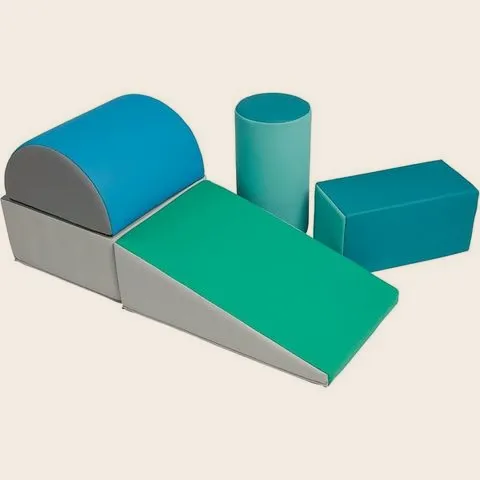
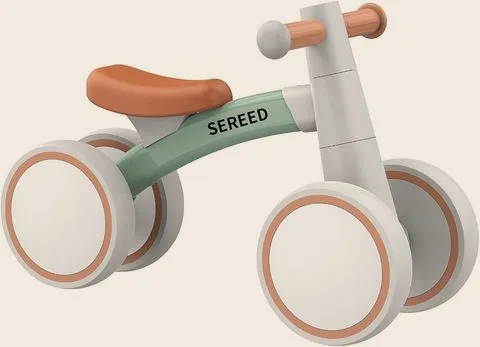
Toddlers learn through their whole body. Climbing, crawling and pushing build the strength, balance and body awareness everything else is built on, and they're the same kinds of movement we use in the clinic.

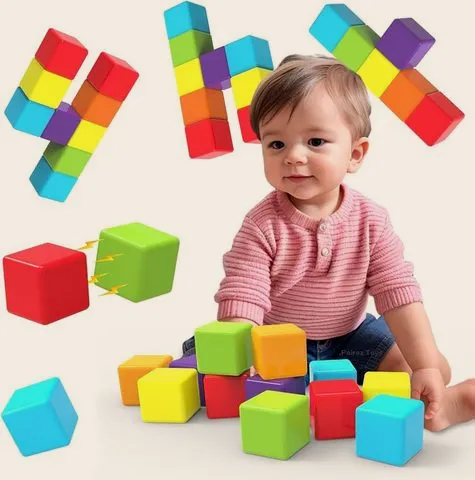
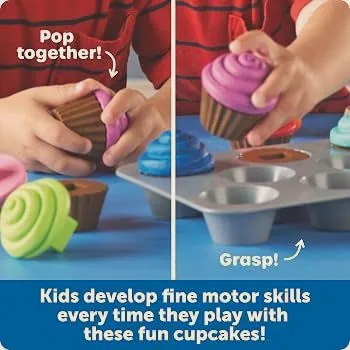
For busy hands
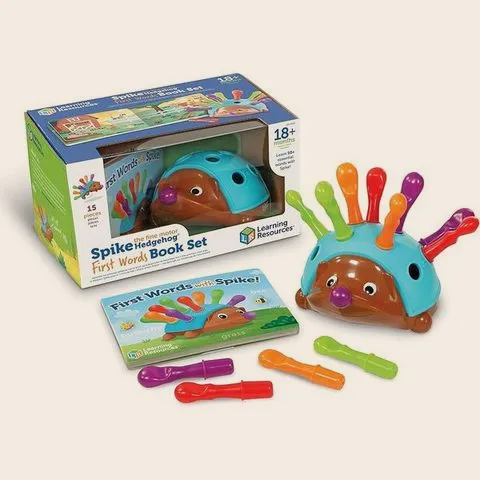
Look for toys that ask for a pinch, a poke, or two hands working together.
For watching and wondering
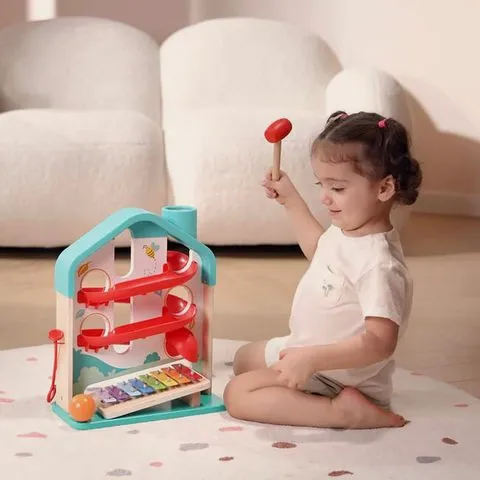
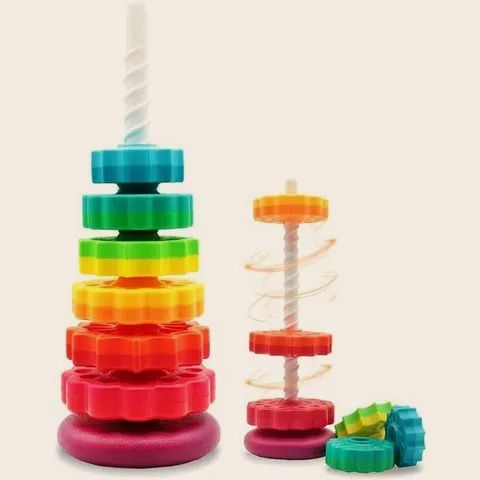
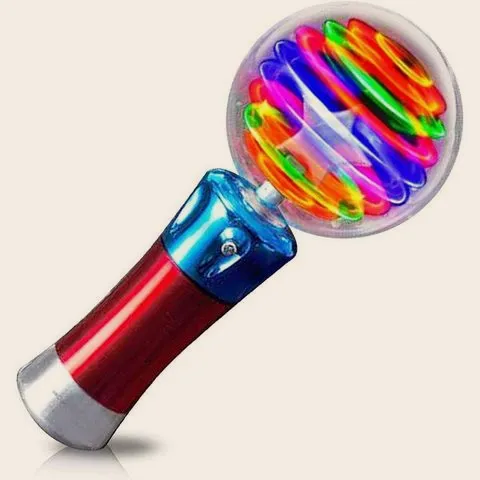
Ball runs and spinning toys are great for visual tracking. Kids follow the movement with their eyes, and they learn cause and effect.
For little artists
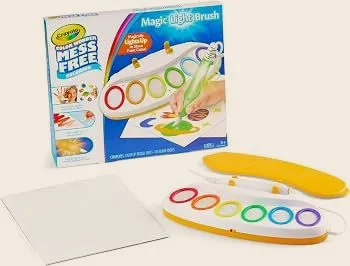
Drawing and painting build grasp, shoulder stability and early pre-writing strokes.
The big-ticket gift
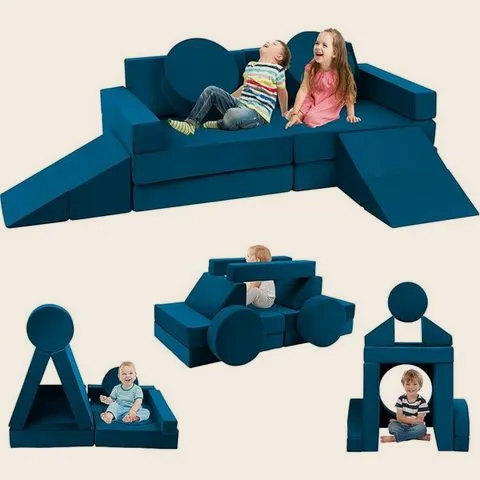
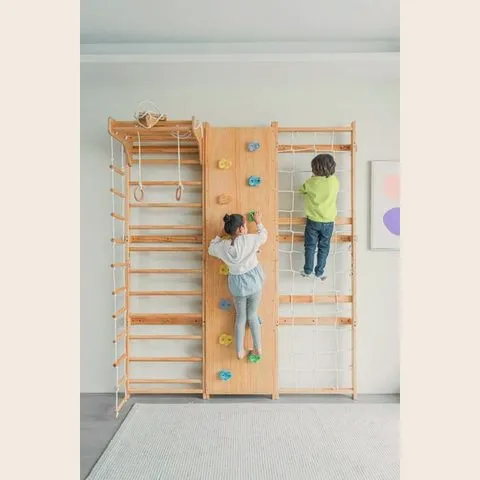
If the grandparents want to go big, a play couch or climbing wall will get used every day for years.
Shop every toddler pick in the shop, or take the Toy Quiz for a personalized list.
Sources and further reading
- Harvard University Center on the Developing Child. (2011). Building the Brain's "Air Traffic Control" System: How Early Experiences Shape the Development of Executive Function (Working Paper No. 11).
- Harvard University Center on the Developing Child. Brain Architecture (developingchild.harvard.edu).
Every child is different. This post is general education, not medical advice. If you have concerns about your child's development, talk with your pediatrician or an occupational therapist. In the Dallas area? Learn about evaluations at NeuroNest. Not in Dallas? Families travel to NeuroNest from across the country for a NeuroNest intensive: five or ten days of individualized, one-on-one treatment. Learn about intensives.