
Primitive reflexes & movement foundations
Reflex Integration
Crawling, climbing, swinging, balance and the games we play in odd positions. The movement play that supports reflex integration, straight from our treatment room.
In the clinic
How we build the foundation
Reflex work at NeuroNest is part of a whole-child plan. These are the kinds of movement we build it on, and the tools that make them easy to keep going at home.
-
01
Crawling
Tunnels & soft climbers
Crawling uses both sides of the body in a cross-pattern. A tunnel, a blanket fort or a bear-crawl race down the hallway turns it into a game kids ask for.
See the Sensory Compression Tunnel (10 ft) -
02
Rocking & swinging
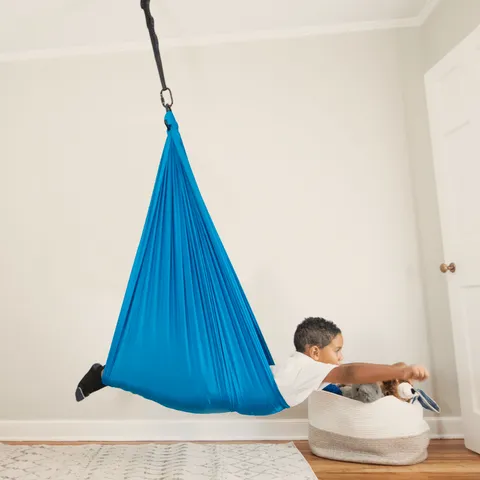
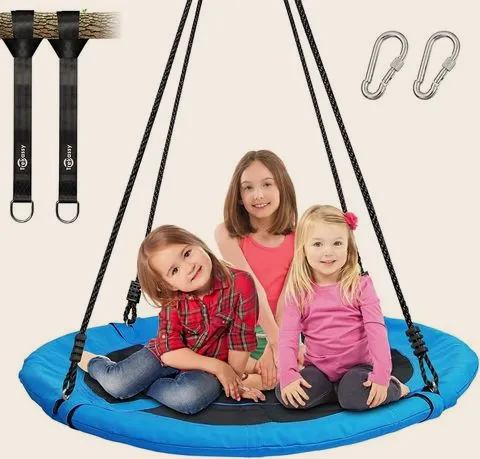
A compression swing
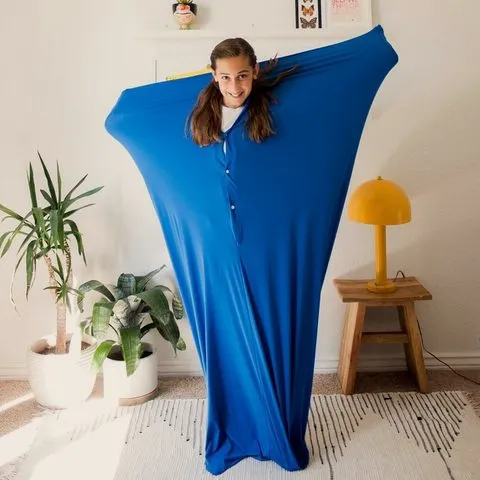
Slow, rhythmic swinging gives the balance system organizing input, and a stretchy swing adds a calming hug at the same time.
See the Compression Sensory Swing -
03
Climbing
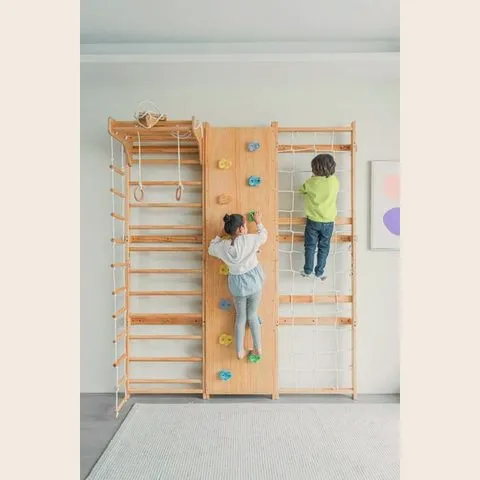
A wall gym
Climbing, hanging and pulling build strength and body awareness, and they ask the two sides of the body to work together.
See the Swedish Ladder Wall Gym (Walnut) -
04
Balance
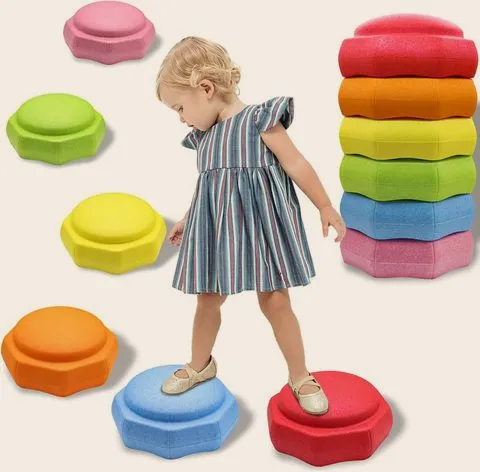
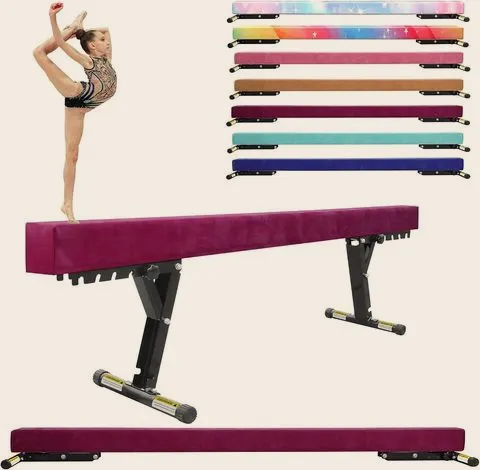
Stepping stones & beams
Stepping paths, balance beams and tape lines on the floor. Change the course every day and it never gets old.
See the Balance Stepping Stones -
05
Games in position
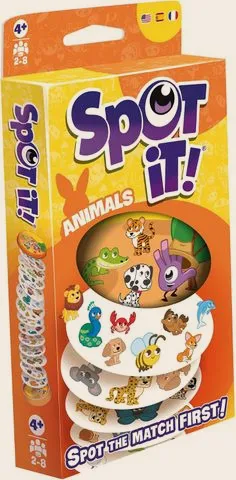
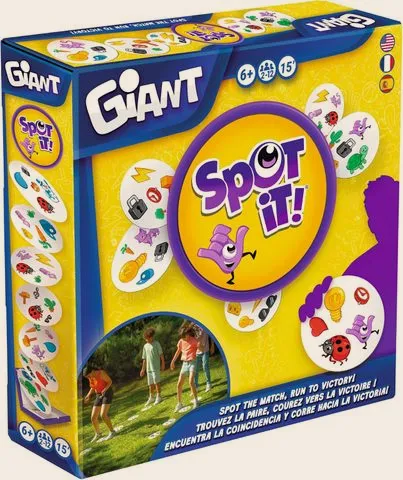
Spot It! on their tummy
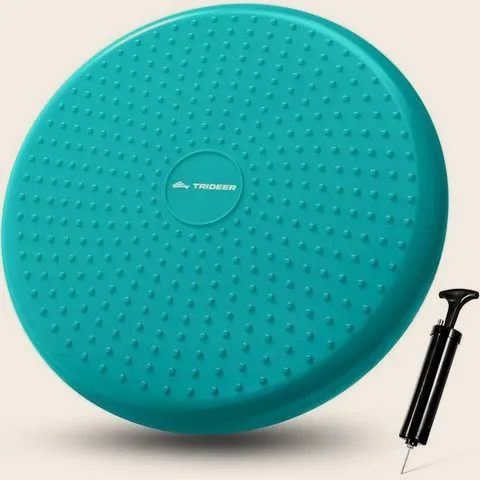
We play fast games while a child lies on their tummy, kneels or balances on a wobble cushion. They hold a challenging position without noticing, because they are too busy trying to win.
See the Spot It! Animals
Ten minutes of movement play most days does more than an occasional big session. Your child’s OT will choose the specific positions and exercises for their program.
26 products





Nothing matches that combination.
An OT's buying guide
Why movement matters for reflexes
Babies are born with automatic movement patterns called primitive reflexes, like the startle (Moro) reflex or the "fencer" pose. As a baby rolls, crawls, climbs and moves more on purpose, the brain builds more mature control and those reflexes fade into the background. We call that integration.
When a reflex stays more active than we'd expect, it can be part of why a child struggles to sit still, tires quickly with handwriting, seems clumsy or has big reactions to movement and noise. A formal reflex program belongs in a therapist's plan, but rich movement play at home supports the same foundation, and it looks a lot like regular, joyful play.
What to look for
- Crawling: tunnels and soft climbers that make crawling irresistible, at any age
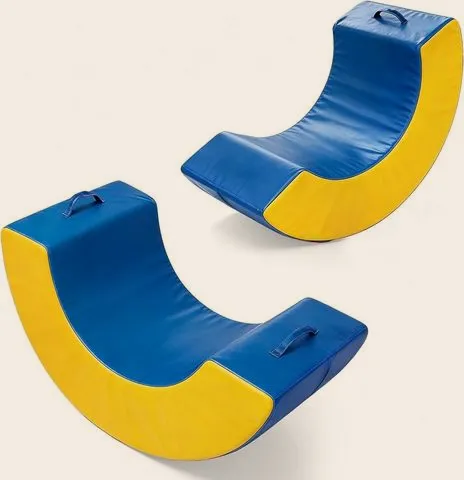
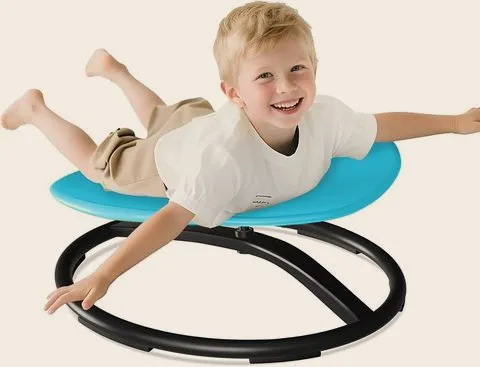
- Rocking and swinging: slow, rhythmic movement that organizes the balance system
- Climbing and balance: wall gyms, stepping stones and balance beams
- Games with short turns that a child can play on their tummy, on hands and knees, or on a wobble cushion
Safety: Don't force an activity that's really hard or upsetting for your child; that's useful information for your therapist. Specific reflex exercises should come from your child's OT, and a checklist online can't tell you whether a reflex is retained.
 Written by Erin Wiggins, OT · How I choose products