
For NeuroNest families
Coming off an intensive?
An intensive is a big week for your child and for you. The changes keep building in the weeks after, and what happens at home is a big part of that. Here's how I'd keep the momentum going, and the tools we use in the clinic that make it easier.

The first weeks home
How to keep the momentum
- 01
Follow your home program first
Your OT built it for your child. The tools below support it; they don’t replace it.
- 02
A little, most days
Ten to fifteen minutes of movement play most days does more than one long session on the weekend.
- 03
Give them a place to regulate
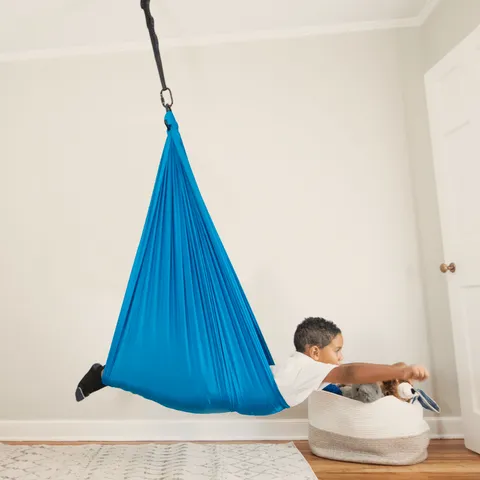
A swing or a crash spot gives your child somewhere to get the input they need, then settle.
- 04
Keep it playful
Kids hold hard positions and work longer when they’re trying to win a game.
- 05
Stay connected
Maintenance sessions help us adjust the home program as your child changes.
Focus area
Reflexes & movement
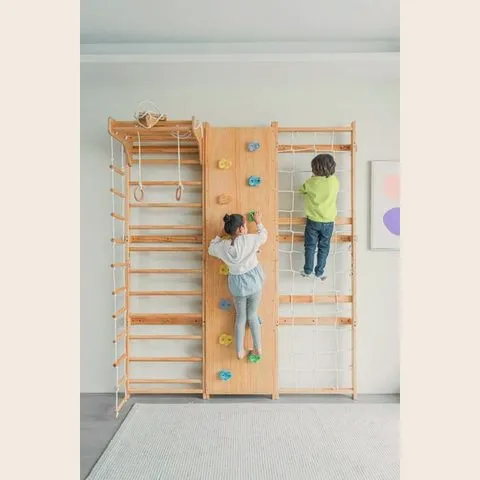
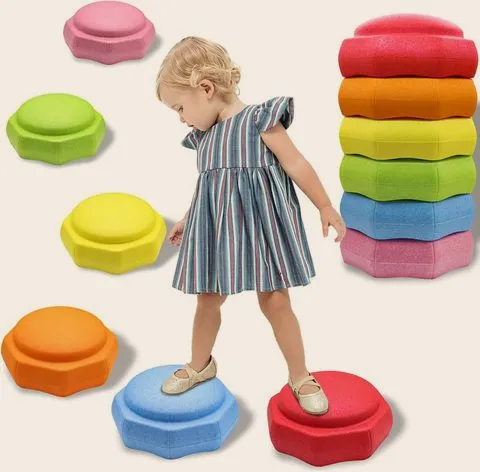
Crawling, climbing, swinging and balance: the foundation most intensives build on.

Focus area
Vision & tracking
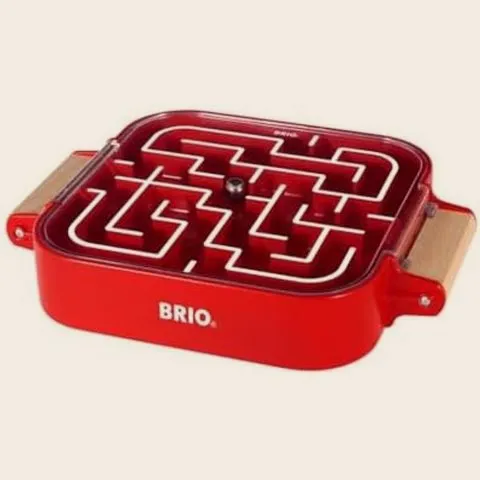
Keep the eyes teaming, tracking and scanning with short, fun daily practice.



Focus area
Regulation
Deep pressure and a calm-down spot for the days that feel big.




Focus area
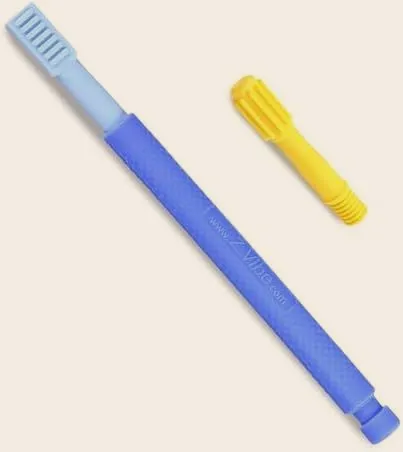
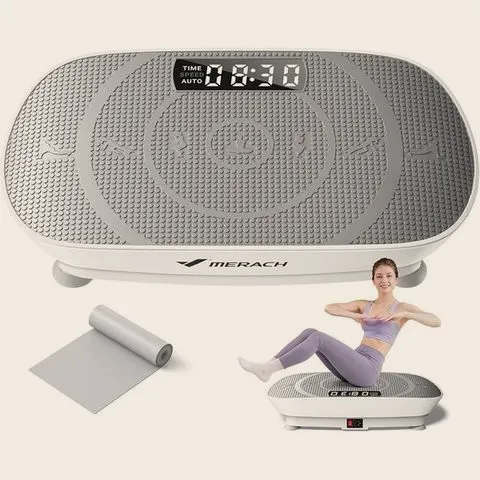
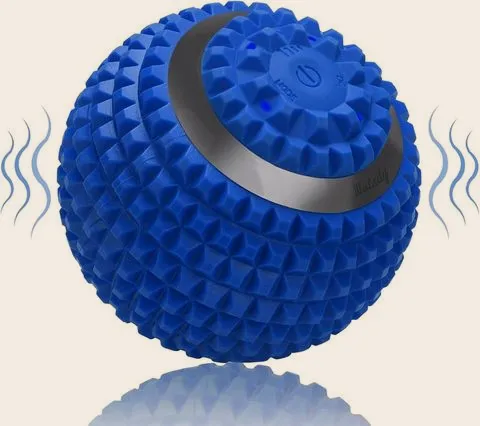
Vibration tools
The vibration tools from the treatment room that most families bring home, for calming, oral motor work and body awareness.

Want it all in one place?
The starter kits pull together the equipment for a sensory room or a reflex integration setup, for a small space or a whole room.
These tools support your child's home program. Use them as your child's therapist recommends, install swings and climbers with rated hardware, and always supervise.